
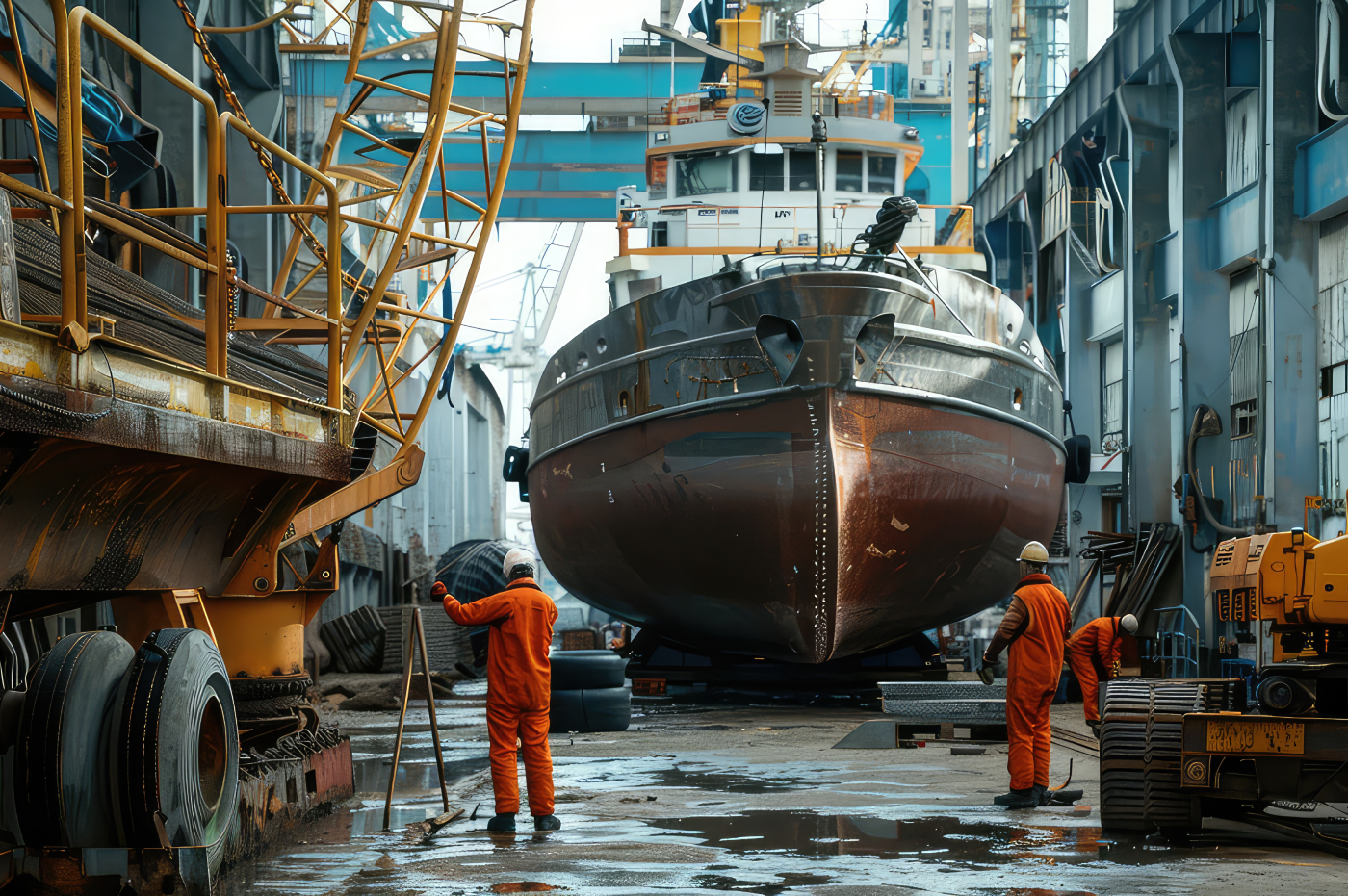
Ask any experienced vessel operator what separates a reliable fleet from one that's constantly in the yard, and they'll tell you it comes down to one thing: how seriously you take boat maintenance. Whether you're operating commercial vessels, patrol boats, offshore support craft, workboats, or other specialised marine assets, the vessels that stay in service longest are the ones that get inspected and serviced before something breaks, not after.
Maintenance in the maritime world isn't just about fixing what's broken. Done right, it's a proactive strategy that keeps performance up, extends the life of your assets, protects your crew, and keeps you on the right side of regulatory requirements. That covers everything from a quick daily walk-around to full dry-docking overhauls and every layer of it matters.
A good boat inspection checklist is what makes this manageable. It gives operators a way to catch small issues in the propulsion system, hull, steering, electrical setup, navigation gear, fuel system, or onboard machinery before they turn into five-figure repair bills.
It also helps to remember that a vessel is fighting its environment constantly- saltwater, corrosion, vibration, weather, and just plain hard use all take a toll over time. Staying ahead of that with preventive maintenance is what keeps downtime low, fuel efficiency up, and repair costs from spiralling.
Why Boat Maintenance Actually Pays Off
Think of maintenance less as a cost centre and more as an investment. A vessel that's properly looked after runs more efficiently, breaks down less often, burns less fuel, and simply lasts longer. On top of that, you get better compliance with maritime regulations and a safer working environment for everyone on board.
Doesn't matter if you're managing a commercial fleet, a patrol vessel, offshore craft, or something more recreational the same logic holds: stay ahead of problems, and operational readiness takes care of itself.
Building a Boat Inspection Checklist That Actually Works
A checklist is only useful if it's structured properly. At minimum, yours should cover:
- Hull inspections
- Engine and propulsion checks
- Steering system inspections
- Electrical system evaluations
- Fuel system monitoring
- Navigation equipment testing
- Safety equipment verification
- Structural integrity assessments
Consistency here is what keeps a maintenance programme effective and keeps vessels out of unplanned downtime. From day-to-day maintenance to major ship repairs, the operators who invest in professional support and proactive planning are the ones who stay ahead.
As a trusted provider of ship building, shipcare, maritime safety, and specialised marine solutions, SHM supports vessel owners and operators with expert maintenance services, technical expertise, and lifecycle support designed to keep vessels running safely and efficiently across even the most demanding maritime environments.

Leave a comment
This site is protected by hCaptcha and the hCaptcha Privacy Policy and Terms of Service apply.