

Overview
Marine vessels operate in demanding conditions, where regular use, saltwater exposure, vibration and changing weather can affect equipment performance over time. Reliable operations depend not only on the quality of the vessel at the time of delivery but also on timely inspections, repairs and maintenance throughout its service life.
SHM Global works across shipbuilding, shipcare and maritime safety. Bringing manufacturing knowledge and repair requirements together helps address the practical needs of vessel operators, from equipment selection to long-term upkeep.
Why Are Ship Repairs Important for Marine Reliability?
Ship repairs help restore the condition and performance of vessels, machinery and onboard equipment. Without timely attention, corrosion, wear and mechanical issues can affect operational readiness and safety.
Regular inspections help identify problems before they become more serious. Depending on the vessel and the issue, ship repairs may involve hull work, machinery repairs, electrical systems, piping, deck equipment or safety systems.
For shipowners and operators, a planned approach to ship repair and maintenance services can help reduce unexpected downtime, improve equipment reliability and support safer operations.
How Manufacturing and Repair Work Together
1. Understanding Vessel Design and Construction
Knowledge of vessel design, materials and construction methods is valuable when assessing damage or planning repairs. Understanding how a component is built can help technicians identify the likely cause of a problem and determine a suitable repair approach.
For a boat manufacturing company, this connection between design and maintenance is important because the vessel must remain fit for its intended operating conditions throughout its service life.
2. Timely Ship Repair Services
Ship repair services address issues that develop during regular operations or are identified during inspections. The scope may range from replacing worn components to repairing damaged structures and restoring equipment functionality.
The repair method depends on the vessel type, the extent of damage, material condition and applicable technical requirements. Proper assessment before work begins helps ensure that repairs address the actual problem rather than only its visible symptoms.
3. Boat Repairs for Different Operating Needs
Boat repairs vary according to the vessel's size, construction and purpose. Workboats, patrol boats, rescue boats and other commercial vessels may require different repair and servicing approaches.
Common areas of attention include:
- Hull and structural condition.
- Propulsion and mechanical systems.
- Electrical equipment and onboard controls.
- Deck fittings and operational equipment.
- Corrosion, coatings and protective finishes.
The scope of boat service and repair should be based on inspection findings, manufacturer recommendations and the vessel's operating requirements.
4. Lifeboat Repair and Safety Equipment Maintenance
Lifeboats and their associated systems require particular attention because they are intended for use during emergencies. Lifeboat repair and maintenance must follow applicable regulations, approved procedures and manufacturer instructions.
Depending on the system, maintenance may involve checking the boat's structure, release mechanisms, launching arrangements and associated equipment. Any repair or servicing must be carried out by appropriately qualified personnel where required.
Regular inspection and servicing help identify defects and support the readiness of lifesaving appliances.
Boat Manufacturing in India: Why Long-Term Support Matters
Boat manufacturing in India serves a range of requirements, from commercial operations to specialised and safety-related applications. When selecting a manufacturer, buyers should consider more than the initial purchase price.
Important factors include build quality, material suitability, testing, documentation, regulatory approvals where applicable, and access to maintenance or repair support. A clear understanding of these areas can help operators plan for the vessel's complete service life.
For vessels working in coastal and offshore environments, maintenance planning is especially important because exposure to saltwater and demanding operating conditions can accelerate wear and corrosion.
Marine Safety Solutions Beyond the Vessel
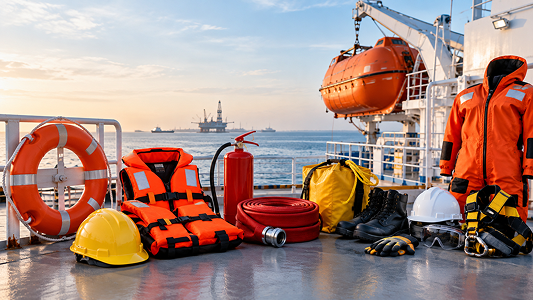
Marine safety solutions include more than the vessel itself. Lifesaving appliances, emergency equipment, inspections and maintenance procedures all contribute to operational preparedness.
Shipowners should ensure that safety equipment remains suitable for its intended use and that inspections, servicing and replacement are completed according to applicable requirements. Repair work should also be properly documented to support maintenance records and future inspections.
Combining vessel upkeep with attention to safety systems helps operators manage technical risks more effectively.
How to Plan for Long-Term Marine Reliability
A practical maintenance plan should include:
- Routine inspections: Check the vessel and equipment at defined intervals.
- Preventive maintenance: Address wear and deterioration before they lead to failures.
- Timely repairs: Assess reported defects and determine the appropriate corrective work.
- Safety equipment checks: Maintain lifesaving appliances according to applicable requirements.
- Service records: Document inspections, repairs, replacements and follow-up actions.
- Operational planning: Schedule maintenance around vessel use to manage avoidable downtime.
The right plan depends on vessel type, operating conditions, manufacturer guidance and statutory requirements.
Frequently Asked Questions
What do ship repair services include?
Ship repair services may include structural repairs, hull work, machinery maintenance, electrical repairs, piping work and the repair of onboard equipment. The scope depends on the vessel's condition and operational requirements.
What is the difference between boat repairs and boat maintenance?
Boat repairs correct a defect or restore damaged equipment, while maintenance involves planned activities such as inspections, servicing and component replacement to help prevent failures.
Why is lifeboat repair important?
Lifeboat repair helps address defects in lifesaving equipment. Repairs and servicing must follow applicable regulations, approved procedures and manufacturer instructions to support emergency readiness.
How does manufacturing knowledge support marine repairs?
Knowledge of construction methods, materials and component design can help technical teams assess defects and identify suitable repair methods. This can support more informed maintenance decisions throughout a vessel's service life.
Conclusion
Long-term marine reliability depends on both sound construction and consistent maintenance. Ship repairs, boat servicing and the upkeep of lifesaving equipment help vessels remain ready for their intended operations.
By bringing its work in shipbuilding, shipcare and maritime safety together, SHM Global operates across areas that are important to vessel reliability. For shipowners and operators, choosing suitable marine solutions and following a planned maintenance approach can help protect equipment, manage downtime and support safer operations at sea.

Leave a comment
This site is protected by hCaptcha and the hCaptcha Privacy Policy and Terms of Service apply.